

Background
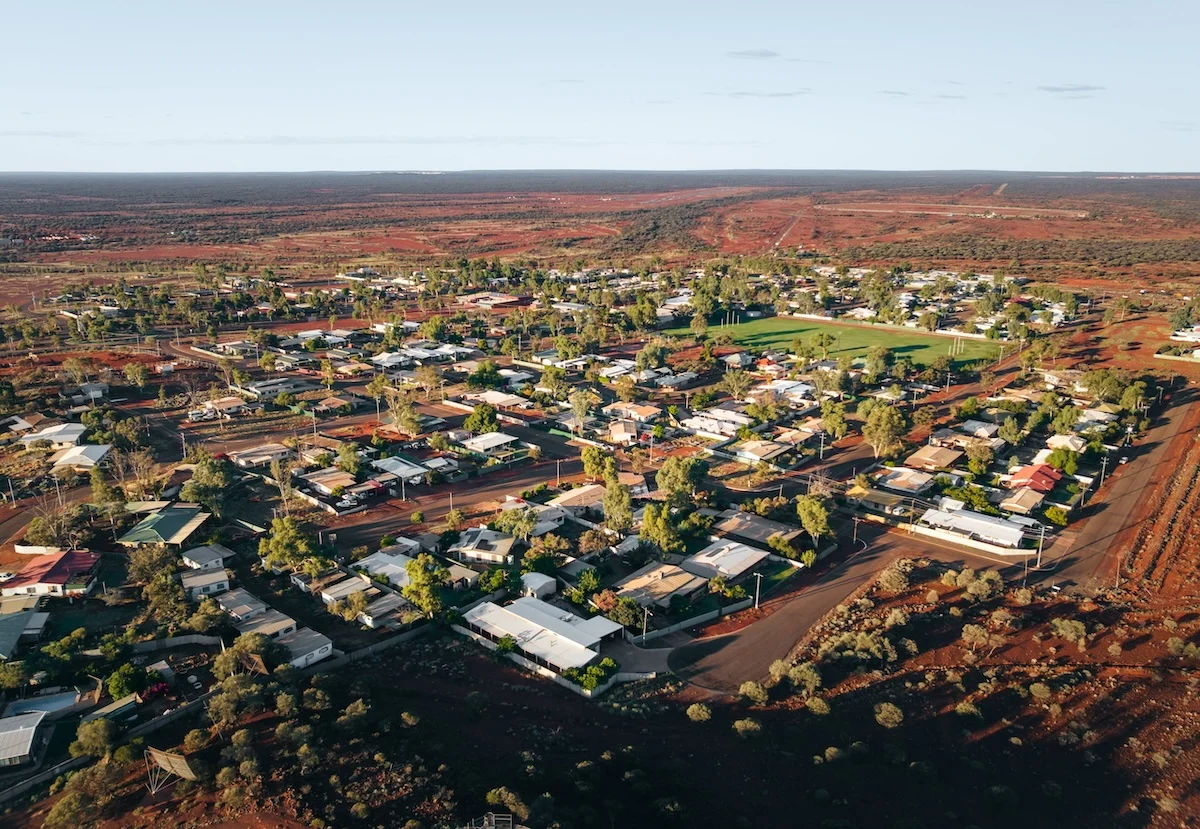
The Shires of Laverton, Leonora and Menzies are in Western Australia’s north-eastern Goldfields region, where Minara Resources operates the Murrin Murrin nickel and cobalt project. Each of these remote communities has distinct demographic, social and economic characteristics, and mining plays a major role in the regional economy and workforce. To support its ongoing community development and stakeholder engagement, Minara Resources needed a clear picture of local population trends, community wellbeing, socioeconomic disadvantage and employment conditions. Minara Resources commissioned REMPLAN to prepare a socioeconomic profile for each local government area, along with a combined regional snapshot, to establish a consistent evidence base for future planning and reporting.
Project goals
The project aimed to establish a detailed socioeconomic baseline for Laverton, Leonora and Menzies that Minara Resources could use for future benchmarking, stakeholder engagement, social reporting and local strategy development. The profiles covered population characteristics, health and wellbeing, education, housing, employment and household conditions across the region. A key focus was understanding the circumstances of Aboriginal communities, identifying areas of socioeconomic disadvantage and finding opportunities to support well-informed community development.
REMPLAN’s involvement
REMPLAN undertook socioeconomic research and reporting across the three local government areas, producing an individual profile for each community and a consolidated regional snapshot. Using REMPLAN Economy and REMPLAN Community, REMPLAN analysed Australian Bureau of Statistics (ABS) Census data alongside other demographic, social and labour market datasets. The analysis examined population change, income, education, housing, workforce participation and community wellbeing, comparing outcomes for Aboriginal residents with those of the broader community and Western Australia as a whole. Each profile was supported by maps, graphs and data tables, and the regional snapshot presented the key findings in an accessible format.
Results
The profiles established a consistent socioeconomic evidence base and highlighted differences in population trends, workforce characteristics and community wellbeing across the three local government areas. The analysis showed the importance of mining to regional employment, and identified disparities in income, education, housing suitability and labour force participation, particularly for Aboriginal communities. The regional snapshot drew these findings together to show the challenges and opportunities shared across Minara’s operating region. Together, the deliverables give Minara Resources a foundation for ongoing social benchmarking, informed stakeholder engagement and community strategies that respond to local needs.