

Background
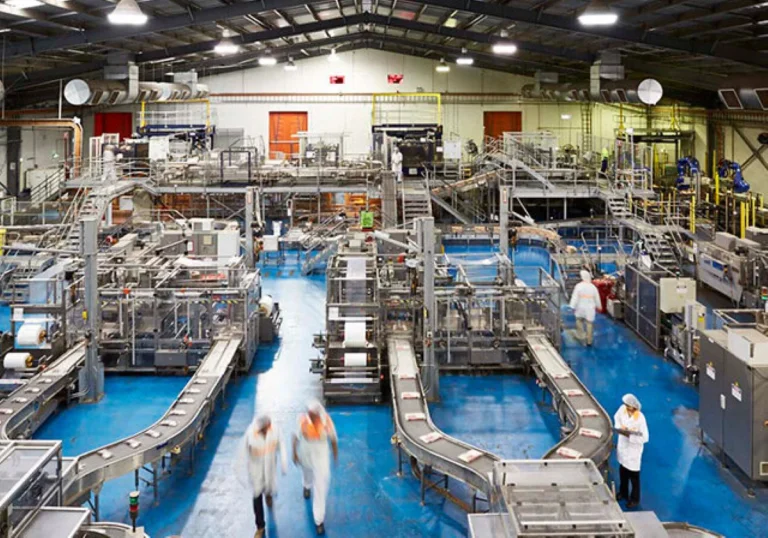
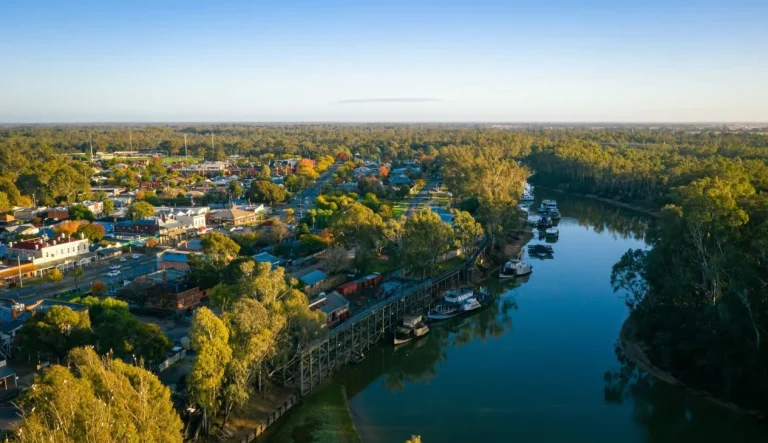
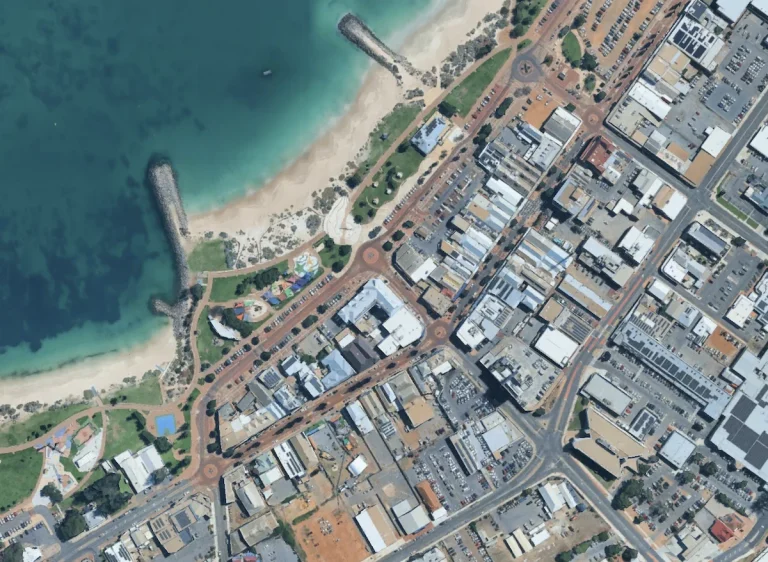
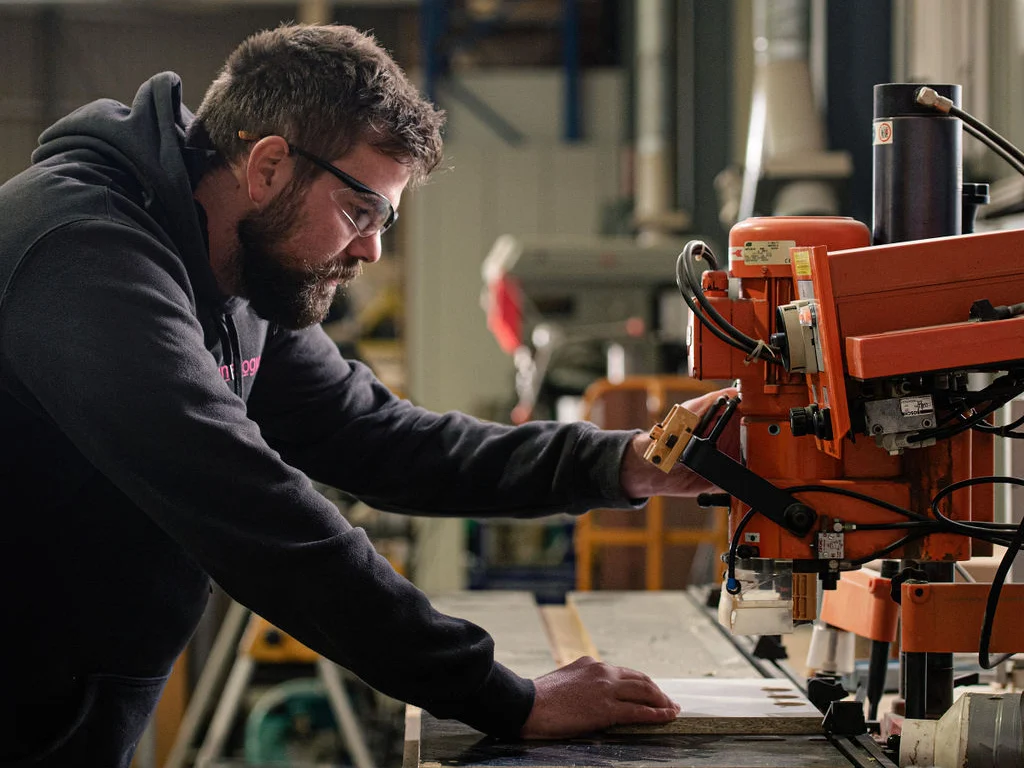
The Adelaide Hills, Fleurieu and Kangaroo Island (AHFKI) region is a diverse and growing part of South Australia’s economy, combining peri-urban growth areas, coastal communities and a globally recognised tourism and agricultural base. With a population of over 145,000, the region supports a resilient and evolving manufacturing sector spanning food, beverage and specialised production. Despite its strong economic contribution, the sector’s strategic value is not always well understood, and it faces challenges including workforce constraints, rising input costs and infrastructure limitations. This project was commissioned to develop a clear, evidence-based profile of the manufacturing sector to support regional planning, program delivery and advocacy.
Project goals
The purpose of the project was to produce a concise, evidence-based manufacturing profile that articulates the sector’s economic contribution, structure and future potential across the AHFKI region. The project aimed to provide a reliable evidence base to support RDA AHFKI’s internal programs, including grant initiatives for small manufacturers, while also strengthening its ability to advocate for investment and policy support. A key focus was translating complex economic data into accessible, practical content that highlights opportunities, challenges and the sector’s strategic importance.
REMPLAN’s involvement
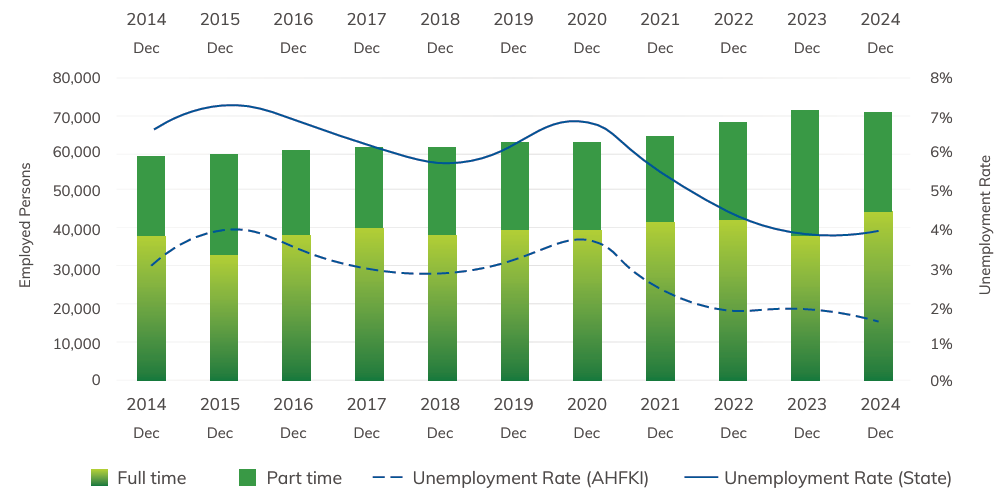
REMPLAN was commissioned to deliver a detailed analysis of the manufacturing sector across the AHFKI region. This included quantifying economic contribution through employment, value-add and output metrics, identifying industry specialisations and business characteristics at both regional and local government area levels, and benchmarking performance against state and national trends. REMPLAN also developed clear insights to support advocacy, combining data analysis with narrative content to communicate the sector’s value and future opportunities.
Results
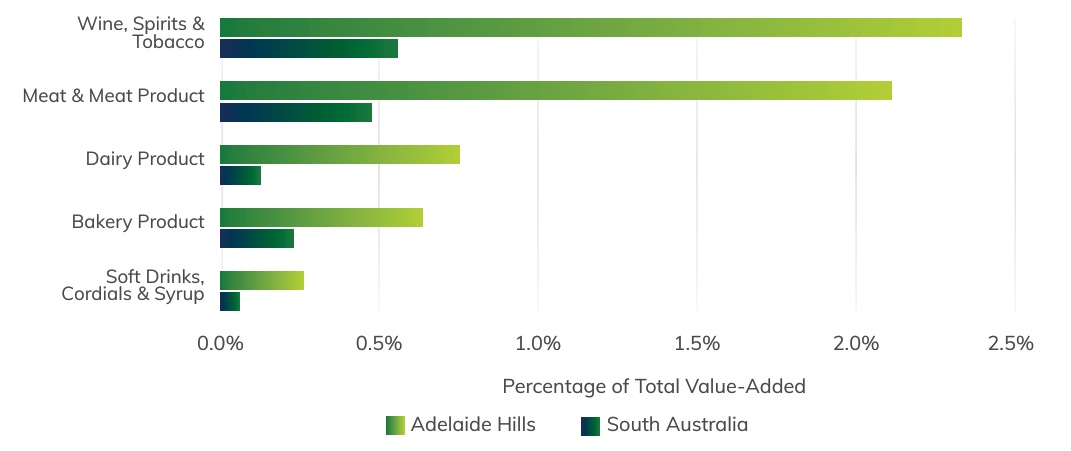
The analysis confirmed that manufacturing is a major driver of economic activity within the AHFKI region, contributing over $2.17 billion in revenue and supporting more than 3,000 jobs. Growth has been driven by strong performance in food and beverage production, alongside a diverse base of niche and specialised industries. While the sector demonstrates resilience and competitive advantage, future growth will depend on addressing challenges such as workforce availability, input costs and infrastructure constraints, while building on opportunities in premium production, innovation and export markets.