


Background
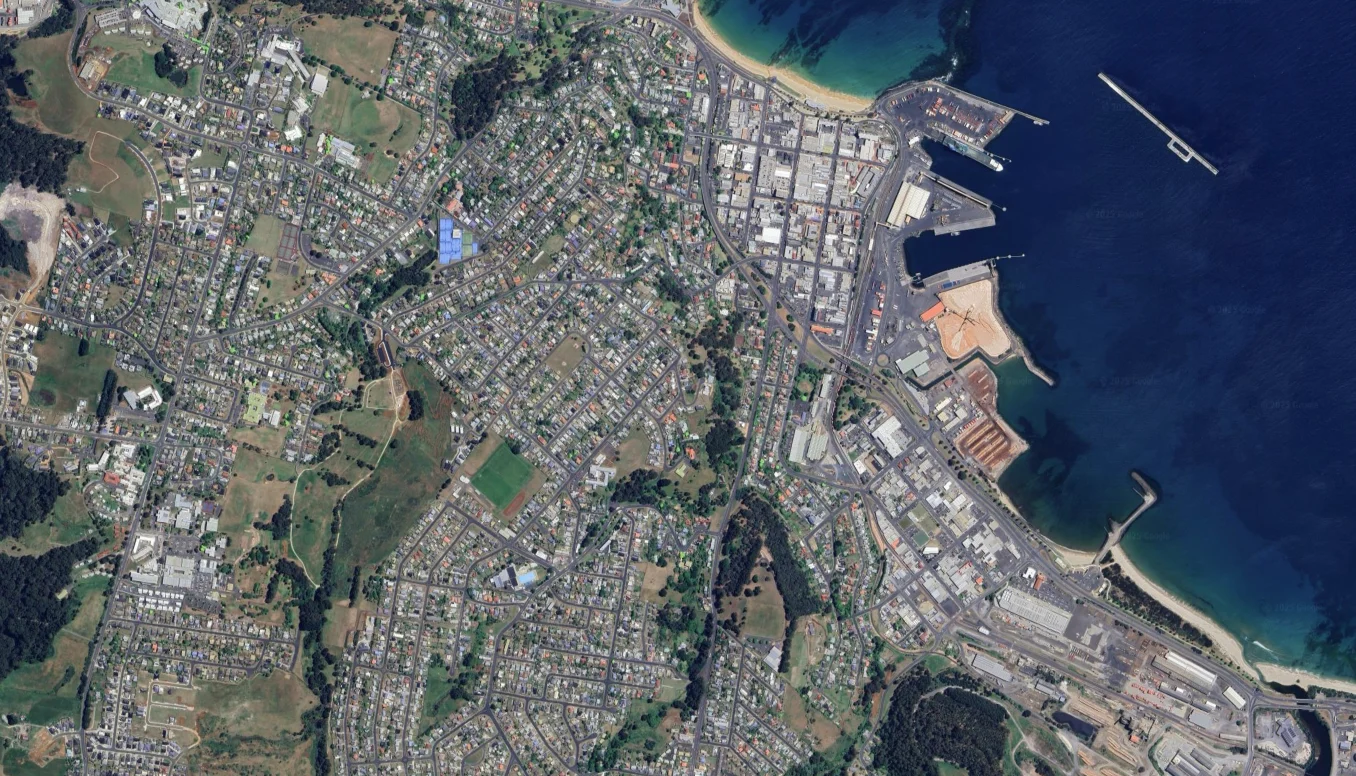
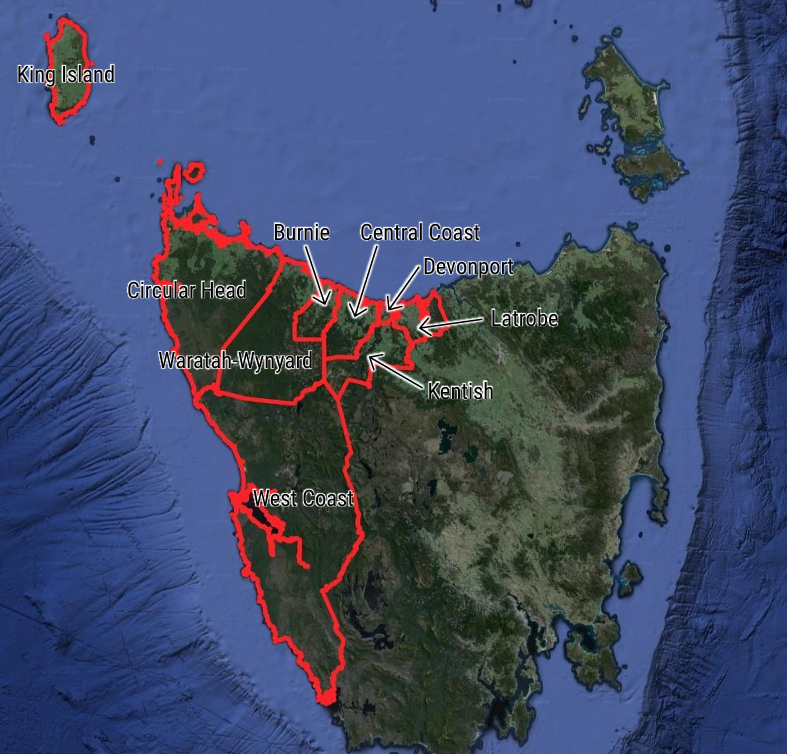
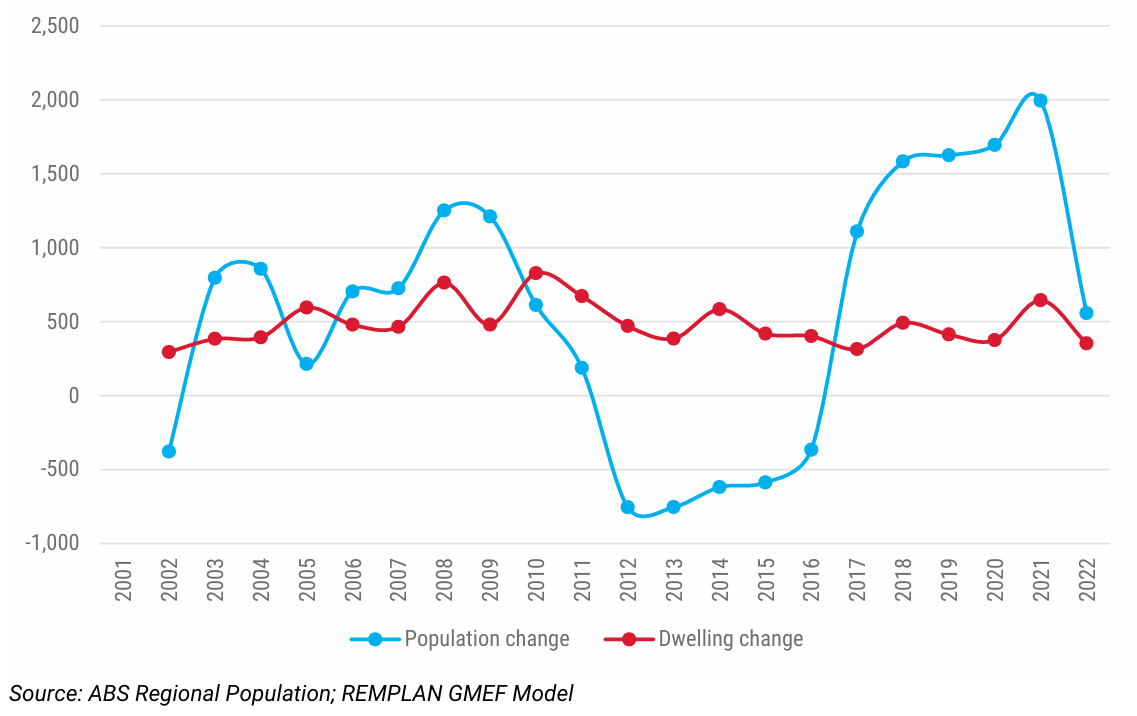
The Cradle Coast region encompasses nine local government areas: Burnie, Central Coast, Circular Head, Devonport, Kentish, King Island, Latrobe, Waratah-Wynyard and West Coast. The Cradle Coast region has sustained annualised population growth of 1.3% over the last five years (to 2022) and had a combined estimated resident population of 119,673 in 2022.
Since 2011, the Cradle Coast Regional Land Use Strategy (CCRLUS) 2010-2030 has been the guiding policy facilitating and managing growth, change and development. While this project is not intended to deliver a new settlement strategy, the Cradle Coast Residential Demand and Supply Study (CCRDSS) provides a key input and evidence base for the review of the CCRLUS.
Project goals
This Residential Demand and Supply Study is the final report for the CCRDSS project. The objective of this report is to establish a baseline for housing across the region and identify aspects relevant to housing supply and demand, including factors such as trends in housing supply, supply factors, current and future land supply, population and household forecasts, and the impact of forecast demand on estimated supply. This report also aims to provide an evidence base that will identify key issues relevant to residential supply and demand as well as establishing the level of variation and differentiation that exists across the region.
REMPLAN’s involvement
REMPLAN supported the Cradle Coast Authority by undertaking this study to gain a greater understanding of the factors driving demand across the region’s localities, as well as establishing a baseline of land supply across the region. REMPLAN used its in-house software suite to prepare the study.
Results
The dwelling demand and supply of residential land varies across the local government areas. Analysis prepared as part of this project indicates that at a local government area level most municipalities have enough residentially zoned land to meet forecast demand out beyond 2046. Only Devonport and Latrobe exhaust theoretical supply within the forecast period and Kentish also exhausts supply if only vacant land is considered. There are also some substantial structural changes occurring in the Cradle Coast population that should be considered when planning for future housing. The primary factor affecting all regions is the ageing population. Regular engagement with stakeholders and regular monitoring of supply and demand factors are important for aligning housing provision with evolving community needs, ensuring that infrastructure and policy development can respond promptly to demographic and economic change.