

Background
The Bendigo Trust, now trading as Bendigo Heritage Attractions (BHA), was established in 1970 as a response to the Bendigo City Council’s plan to restore, conserve and manage the Central Deborah Gold Mine (CDGM). BHA’s mission is to operate, champion and grow living heritage assets and experiences that enrich Bendigo. BHA has operated some of Bendigo’s best-known heritage assets for over 50 years. The CDGM is the last remaining mine (of over 5,500) that operated during Bendigo’s deep lead quartz gold mining period. It remains largely unchanged from the day it closed in 1954.
Project goals
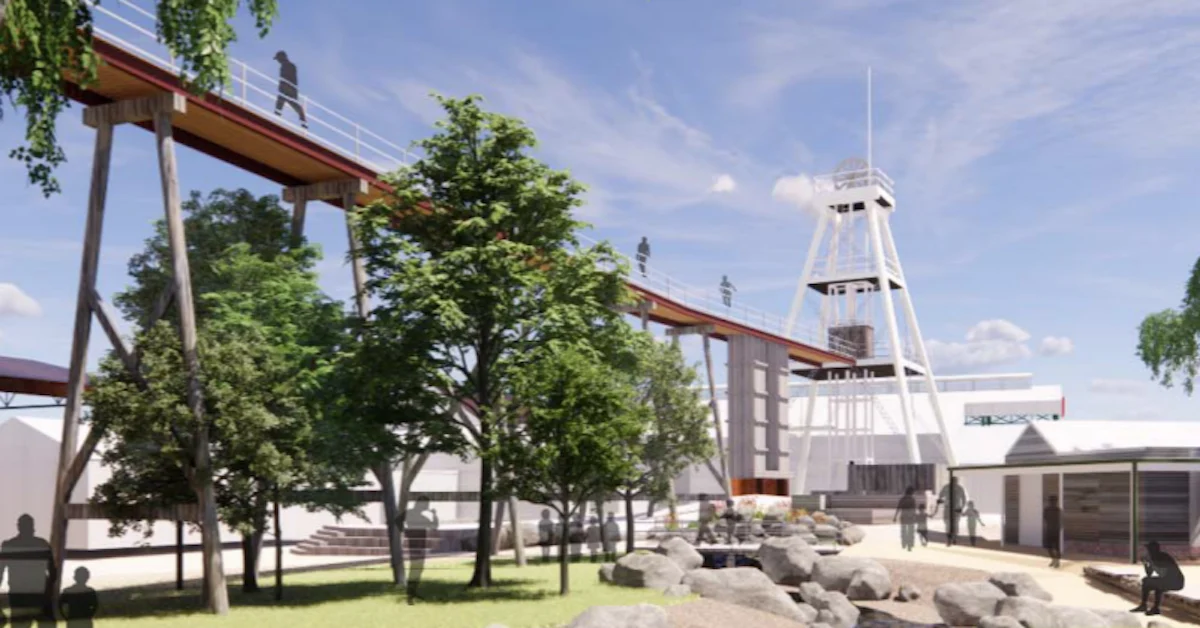
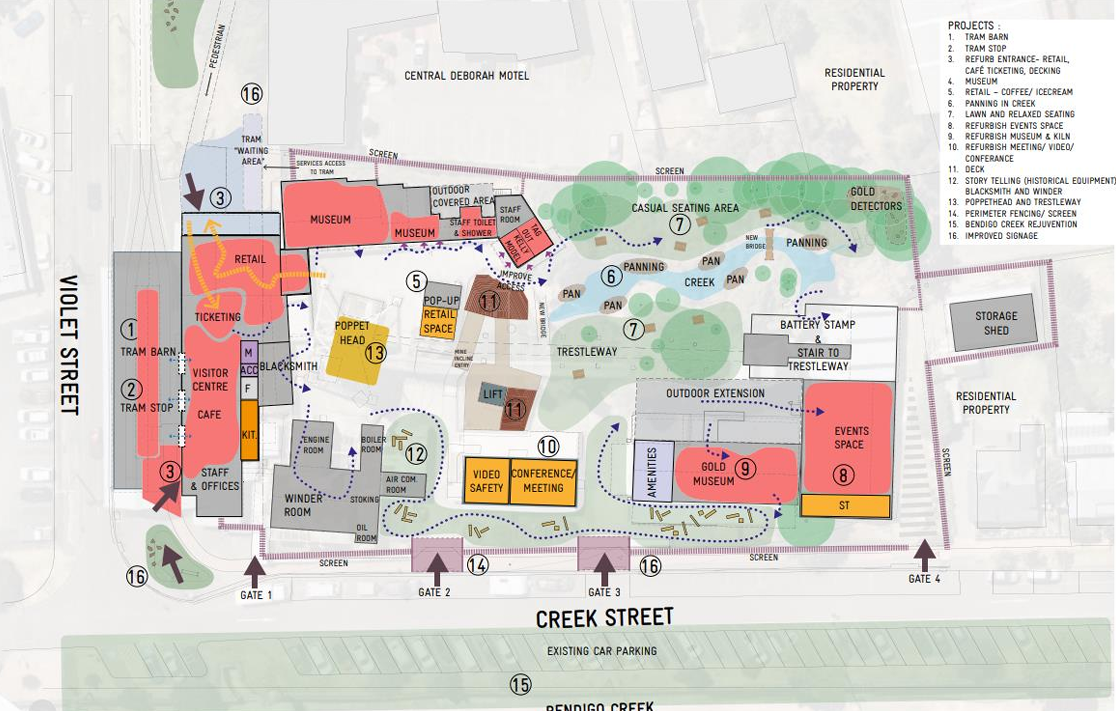
This project focuses on transforming the CDGM into a major heritage tourism destination by revitalising its historical assets and creating a new ‘surface level’ tourism product. The goal is to combine the mine’s existing elements into a cohesive experience for visitors, enhancing Bendigo’s tourism offerings. The revitalisation will be implemented in stages, with the completed project expected to become a key part of Bendigo’s heritage tourism offer.
REMPLAN’s involvement
REMPLAN supported Bendigo Heritage Attractions by undertaking an Economic Impact Assessment (EIA) and a Cost Benefit Analysis (CBA) to assess the impacts of the key phases of the project. The study used REMPLAN Economy alongside desktop research, engagement and other analysis tools.
Results
The EIA focused on assessing the economic impacts of the project on the Greater Bendigo region. It estimated that the operational phase of the project would generate $2.037 million in annual gross revenue, contributing $0.818 million to the gross regional product (GRP) and supporting 9 local jobs. The visitor economy impact, driven by a projected increase in annual tourism expenditure of $5.5 million, is expected to generate $10 million in gross revenue, contributing $4.88 million to GRP and supporting 49 ongoing jobs. The CBA calculated a net benefit of $24.1 million over a 20-year period.