


Background
Flinders Island is a small, remote municipality with a stable but capacity-constrained economy shaped by agriculture, tourism, construction and essential services. While employment demand exists across these sectors, the Island faces persistent challenges related to workforce availability, housing constraints and service provision, compounded by a limited resident labour pool and a high proportion of intermittently occupied dwellings. In response, Flinders Council initiated a review of its Structure Plan to establish a long-term framework for land use, economic development, housing and infrastructure, supported by reliable, locally relevant evidence.
Project goals
The purpose of this project was to develop a set of realistic, policy-relevant economic and population scenarios to inform the Structure Plan review. Rather than producing traditional forecasts, the project aimed to apply a workforce-led modelling approach to understand how employment demand, population change and housing availability interact over time. This enabled the identification of practical growth pathways and the conditions required to support sustainable development over a 10 to 20 year horizon.
REMPLAN’s involvement
REMPLAN was commissioned by Flinders Council to deliver an integrated analysis of the Island’s economic, workforce and housing dynamics. This involved undertaking economic and workforce profiling, analysing housing stock and effective availability, and developing scenario-based modelling informed by business survey insights and demographic data. REMPLAN applied a workforce-led framework to translate complex data into clear, practical insights, supporting Council with evidence-based inputs and practical policy considerations to guide long-term planning.
Results
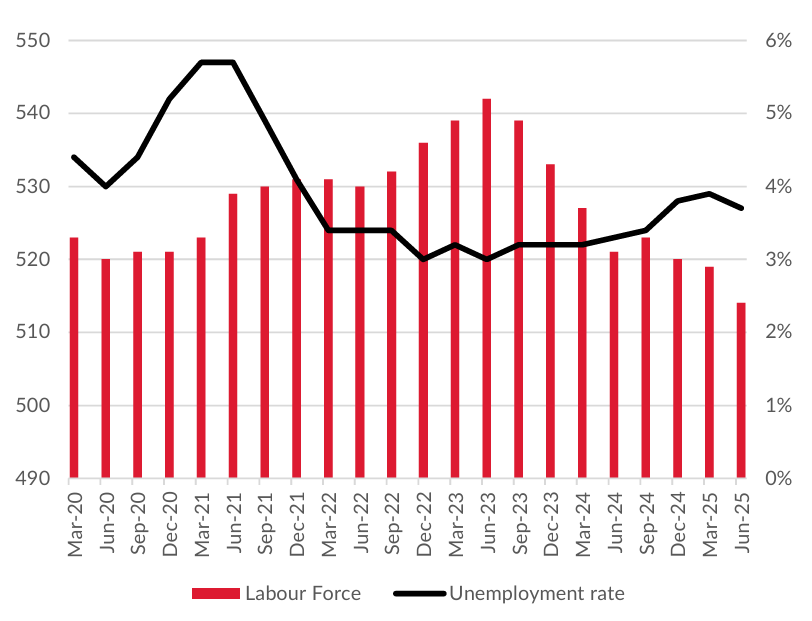
The analysis found that while Flinders Island has underlying employment demand, growth is constrained by workforce shortages and limited effective housing availability. Scenario modelling demonstrated that without intervention, growth is likely to remain limited. However, coordinated improvement to housing supply, workforce attraction and accommodation models can support moderate and sustainable growth. The results highlight that future outcomes are contingent on targeted action, with housing diversity and workforce accommodation identified as key enablers of economic and population growth.